

Co-funded by the European Union

Publications

Studies, informs, annual and quarterly reports. Search by title, type, theme or date.

Theme

14 publications · Page 1/2

List of publications

Alternatives to providing housing in-kind for applicants for international protection

InformPDF

This EMN inform examines alternatives to the direct provision of housing for applicants for international protection in EMN Member and Observer Countries. It covers financial assistance for housing, eligibility criteria and methods for determining support levels, access to healthcare, legal assistance and other services, as well as the monitoring of applicants through national databases and local authorities.

Practices and challenges in identifying victims of torture and/or ill-treatment in the context of international and temporary protection

InformPDF

EMN – Red Cross EU joint inform explores practices and challenges in identifying victims of torture and/or ill-treatment in the context of international and temporary protection In collaboration with the Red Cross EU Office and the Swedish Red Cross, this inform aims to provide an overview of EMN Member and Observer Countries’ guidance and training

Family reunification for beneficiaries of international protection

InformPDF

This inform offers a thorough examination of the legislation and practices across the EMN Member and Observer Countries. It specifically looks at the procedures in place for applying for family reunification and how these have evolved considering recent (since 2017) case law before the European Court of Justice (CJEU), and where relevant the European Court

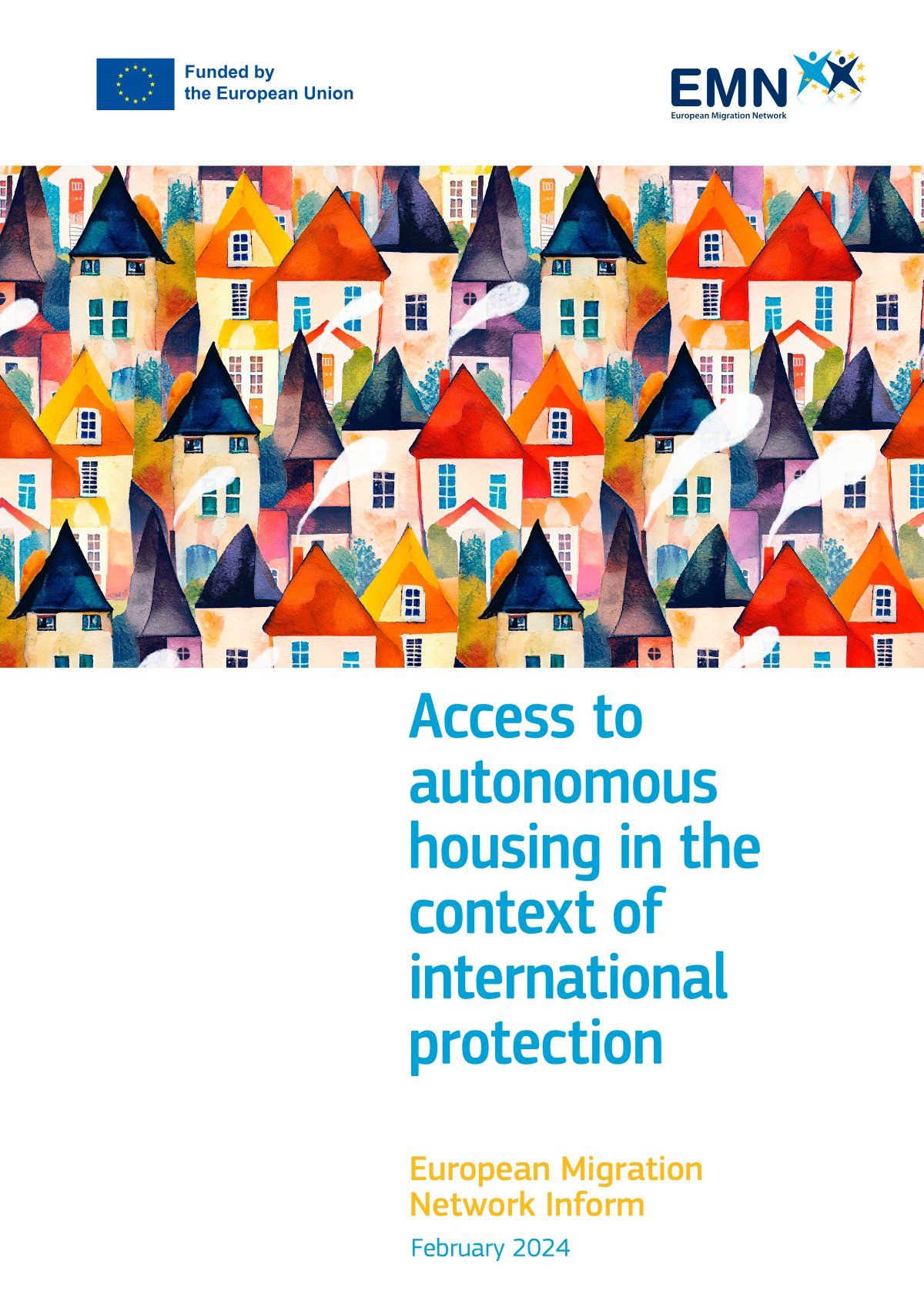
Access to autonomous housing in the context of international protection

InformPDF

The inform on ‘Access to Autonomous Housing in the Context of International Protection’ delves into the dynamics of securing autonomous housing for beneficiaries and applicants of international protection. Unveiling the challenges faced by these individuals, this inform provides an overview of the different approaches and strategies employed by EMN Member Countries and Serbia to support

Integration of applicants for international protection in the labour market

InformPDF

This EMN study offers an analysis of how EMN Member Countries are supporting the integration of applicants for international protection in the labour market. Labour market integration is a crucial aspect of migrant integration and successful engagement in society. This is not only due to its role in providing economic independence but also because it

Resettlement, Humanitarian Admission and Sponsorship Schemes

InformPDF

Conflicts in different world regions have led to an increase in migratory movements to neighbouring countries, with approximately 72% of refugees and forcibly displaced persons in 2021 being hosted in developing countries. This has created an imbalance between developed and developing countries as well as resulting in people seeking alternative places of refuge through risky

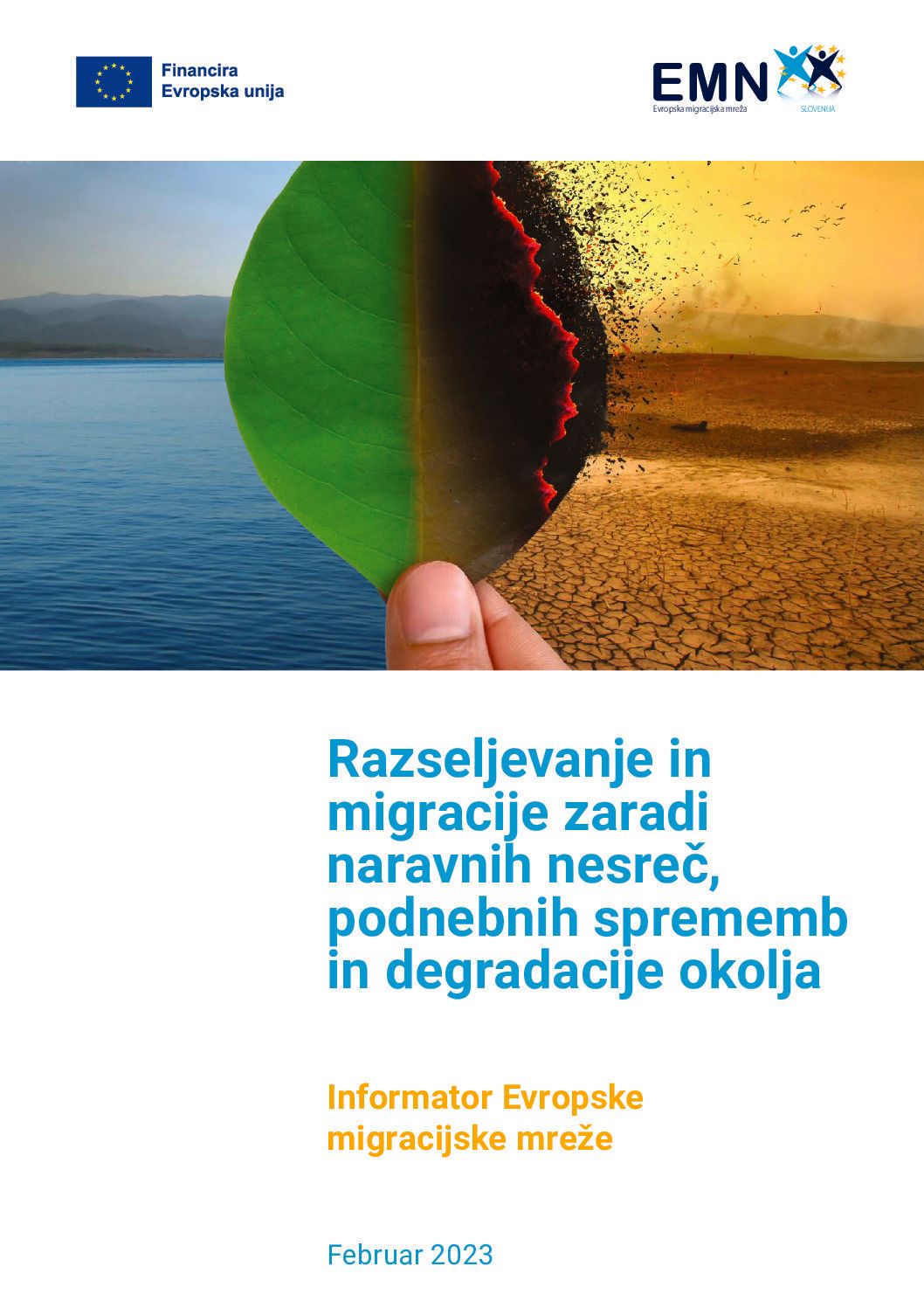
Displacement and migration related to disasters, climate change and environmental degradation

InformPDF

According to the United Nations High Commissioner for Refugees (UNHCR), extreme weather events, such as abnormally intense rainfall, prolonged droughts, heat waves and cyclones are linked to the displacement of approximately 20 million+ people annually. Despite the fact that more people are affected by climate change, it is difficult to directly link environmental degradation to

Inform on accompanied children’s right to be heard in international protection procedures

InformPDF

Children who migrate with their parents face unique challenges and vulnerabilities. That’s why it’s crucial that their right to express their views is fully implemented in international protection procedures. This inform provides an overview of how the right of accompanied children to be heard is being implemented in EMN Member Countries and Norway, including good practices, challenges,

Inform on prospects for displaced persons in non-EU first reception and transit countries

InformPDF

This inform explores which national strategies have been implemented in the EMN Member Countries to enhance the prospects for displaced persons in non-EU first reception and transit countries, and how these strategies have been integrated within existing EU and international frameworks and agreements such as the Global Compact on Refugees (GCR), the Sustainable Development Goals